The carbon resistor contains carbon coated onto a ceramic core.
Ceramic resistor uses.
The construction of a true ceramic resistor often called a carbon composite resistor is different from most other types even though it also uses ceramics.
This is my favorite image to show people.
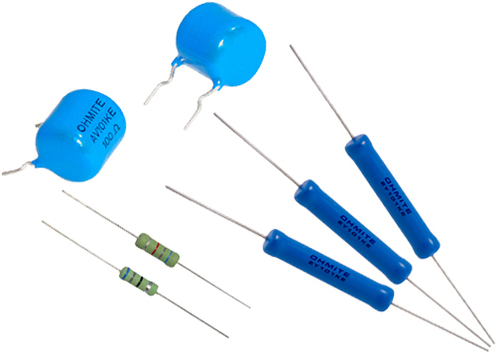
Ceramic and metal oxide if you need a high power non inductive resistor you can use cermet ceramic metal mix or metal oxide resistors.
Ceramic resistors are made of a combination of finely powdered carbon and ceramic material.
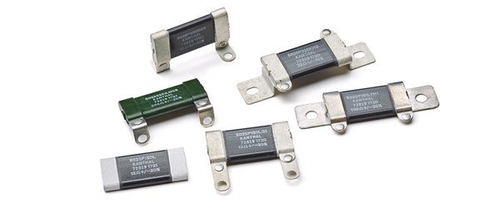
A ceramic substrate that has a thin bulk metal foil cemented to it makes up the resistive element.
Adjustable resistors there are many different types of adjustable resistors.
These are constructed much like a carbon comp resistor substituting the cermet or metal oxide for the carbon composition material.
A resistor is a passive two terminal electrical component that implements electrical resistance as a circuit element.
Uses of carbon resistors.
These two powders combine in specific ratios to determine the final value of the resistor.
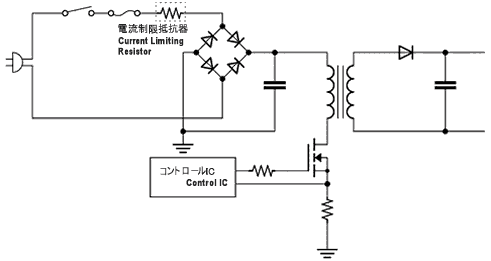
As seen above resistors can be used to limit the current that flows into a device.
Depending on the resistance required pitch diameter and length of the carbon spiral vary.
The simplest most often have the most uses and the resistor follows this statement exactly.
Developed in the 1960s the foil resistor is still one of the most accurate and stable types of resistor that you ll find and are used for applications with high precision requirements.